

Have questions about waterproofing? This U-Proof FAQ guide answers common questions about surface preparation, Liquid Rubber, Fibre Filler, primers, roof waterproofing, gutter repairs, concrete surfaces and maintenance.
Waterproofing FAQs
Waterproofing can feel complicated when you are dealing with roof leaks, damp areas, cracked concrete, leaking gutters or weather-damaged surfaces. Choosing the right products and following the correct preparation steps can make a major difference to the final result.
This FAQ guide answers common questions about U-Proof waterproofing products, surface preparation, application areas and long-term maintenance.
Product Questions
What is U-Proof Liquid Rubber used for?
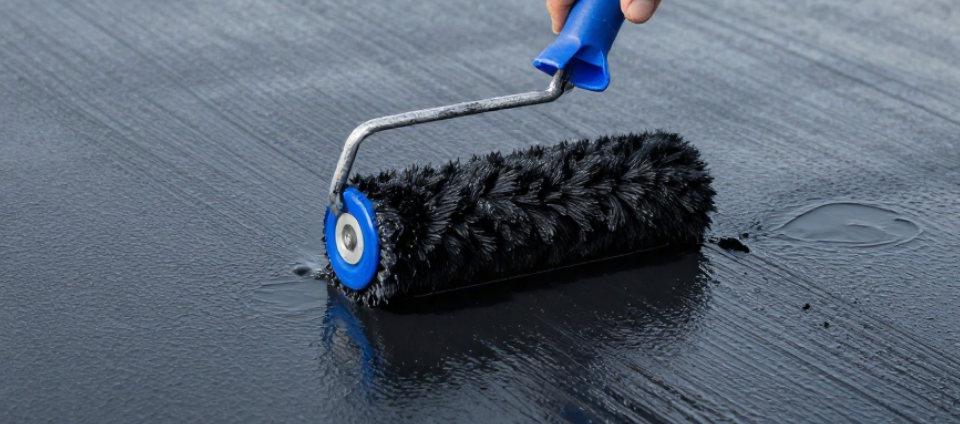
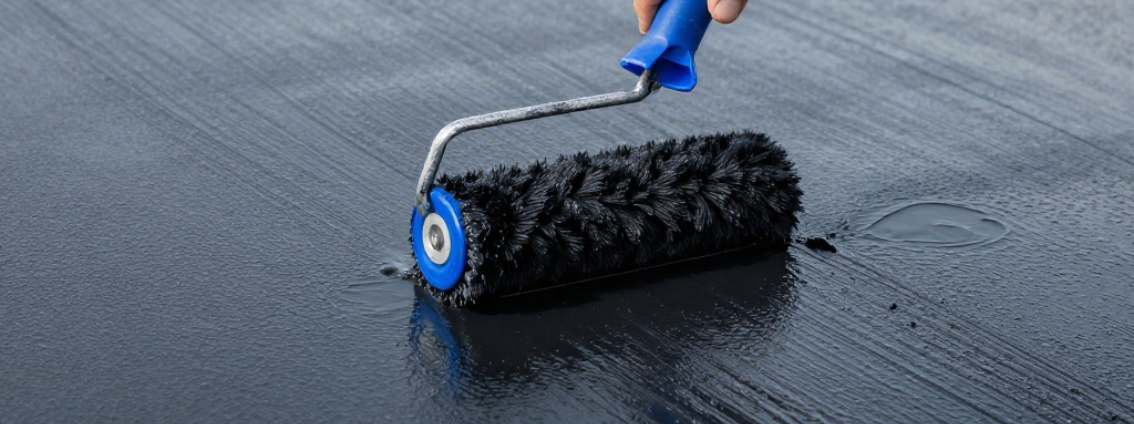
U-Proof Liquid Rubber is used to create a seamless, flexible waterproofing membrane over suitable prepared surfaces. It can be used for roof waterproofing, gutter sealing, concrete waterproofing, metal roof protection, parapet walls, balconies, terraces and exposed outdoor areas.
What is U-Proof Fibre Filler used for?
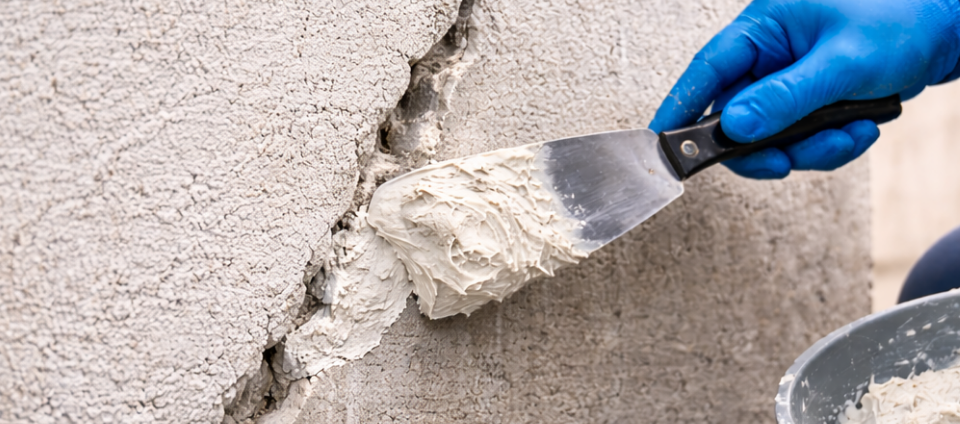
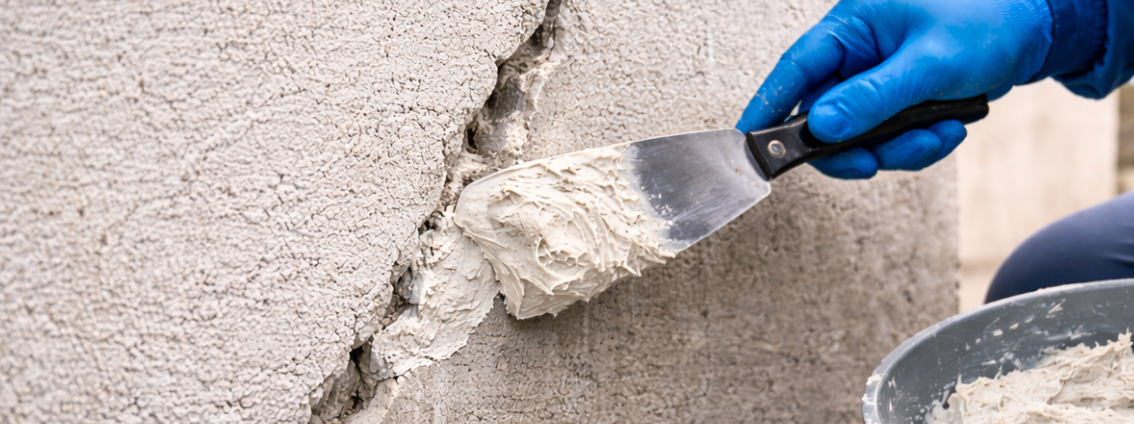
U-Proof Fibre Filler is used to reinforce cracks, joints, flashings, gutters, roof edges, corners, outlets and other vulnerable areas before applying the main waterproofing layer. It helps strengthen problem areas where leaks commonly start.
When should I use a primer?
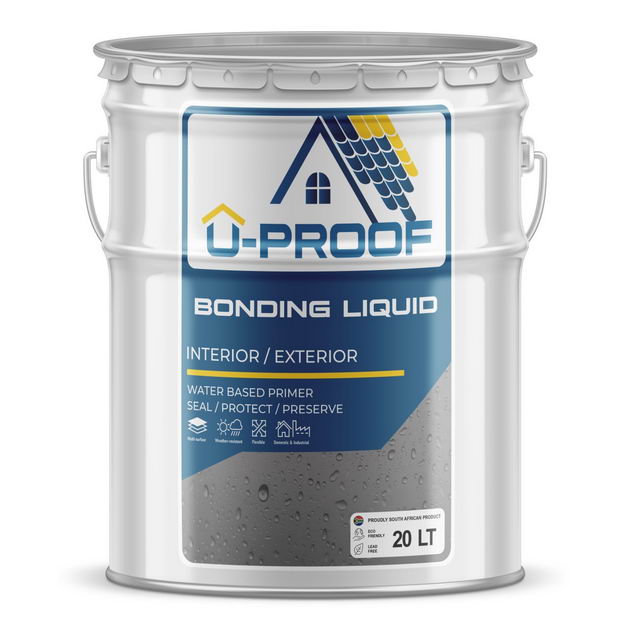
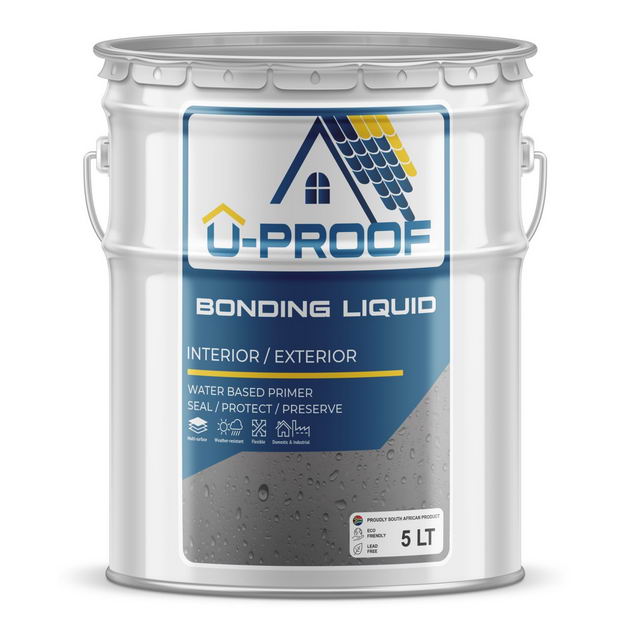
A primer may be required when the surface needs improved adhesion before waterproofing. Primers are commonly used on porous concrete, metal surfaces, masonry, weathered surfaces and previously coated areas. The correct primer depends on the surface type and condition.
Do I need both Fibre Filler and Liquid Rubber?
In many waterproofing projects, yes. Fibre Filler is used first on cracks, joints and detailed areas that need extra reinforcement. Liquid Rubber is then applied over the prepared surface to create the main waterproofing membrane.
What is Wall & Roof Paint used for?
U-Proof Wall & Roof Paint is used as a durable protective finish for suitable roof and wall areas where required. It can help improve the final appearance and provide additional surface protection on suitable applications.
Surface Preparation Questions
Why is surface preparation important?
Surface preparation helps waterproofing products bond properly. A dirty, dusty, loose or unstable surface can affect adhesion and reduce waterproofing performance. Cleaning and preparing the area correctly is one of the most important steps in any waterproofing project.
What should I remove before applying waterproofing?
Before applying waterproofing products, remove dirt, dust, grease, loose paint, rust, flaking coatings, unstable material, failed sealants and any surface contamination that may affect adhesion.
Does the surface need to be dry?
Yes. In most cases, waterproofing should be applied to a clean, dry and stable surface. Damp or wet surfaces can affect adhesion, curing and final performance.
Can waterproofing be applied over old paint?
Only if the old paint or coating is stable, clean and properly bonded. Loose, peeling or flaking paint should be removed before applying U-Proof waterproofing products.
How do I prepare a metal roof?
Clean the roof thoroughly, remove loose rust and flaking coatings, check screws and overlaps, prime where required and reinforce problem areas such as fixings, seams, flashings and roof edges.
How do I prepare concrete for waterproofing?
Concrete should be clean, dry, stable and free from dust, loose material, grease and weak surface layers. Cracks and joints should be reinforced, and primer should be used where required.
Application Questions
Can I apply U-Proof products myself?
Yes. U-Proof products are suitable for confident DIY users, contractors and maintenance teams, provided the correct preparation and application steps are followed.
What tools do I need to apply Liquid Rubber?
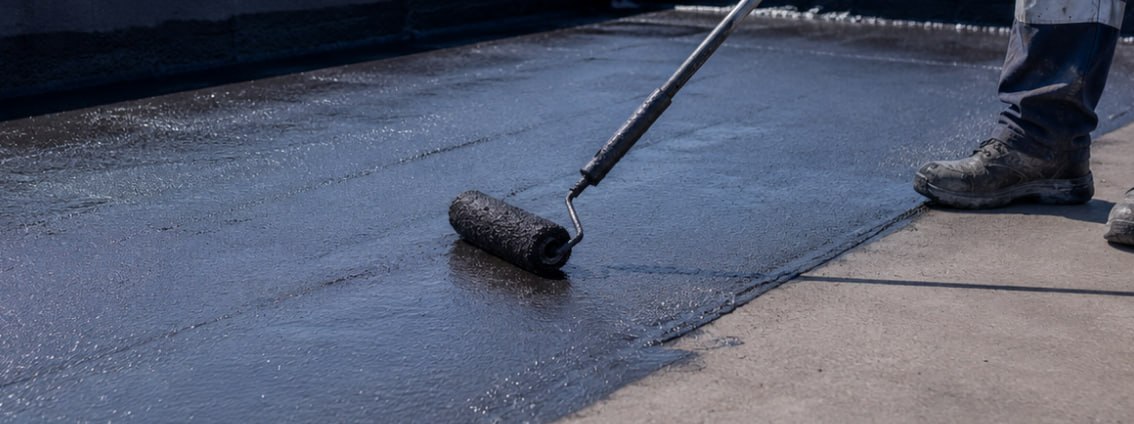
Depending on the project, Liquid Rubber can usually be applied with a brush, roller or suitable application tool. You may also need cleaning tools, a scraper, wire brush, protective gloves and masking tape for neat edges.
Should cracks be repaired before applying Liquid Rubber?
Yes. Cracks, joints, corners and detailed areas should be reinforced with U-Proof Fibre Filler before applying the main Liquid Rubber membrane.
How many coats should I apply?
The required system may depend on the surface, condition and project area. The key is to apply the product evenly and ensure the surface is properly covered, with vulnerable areas reinforced before the main waterproofing layer is applied.
Can Liquid Rubber be applied to gutters?
Yes. U-Proof Liquid Rubber can be used on suitable gutters when the surface is correctly cleaned, prepared and primed where required. Fibre Filler is recommended for joints, seams, corners, outlets and other leak-prone areas.
Can Liquid Rubber be used on vertical surfaces?
Yes, where the surface is suitable and correctly prepared. This may include parapet walls, upstands, wall junctions and other detailed waterproofing areas.
Roof Waterproofing Questions
What is the best way to waterproof a leaking roof?
The best approach is to inspect the roof, clean and prepare the surface, prime where required, reinforce cracks and leak-prone areas with Fibre Filler, and then apply U-Proof Liquid Rubber to create a seamless waterproofing membrane.
Can U-Proof be used on metal roofs?
Yes. U-Proof can be used on suitable corrugated and sheet metal roof surfaces when the roof is correctly cleaned, prepared and primed where required.
What areas of a roof commonly leak?
Common roof leak points include flashings, gutters, roof edges, parapet walls, screws, fixings, sheet overlaps, seams, valleys, ridges, cracks and drainage points.
Can U-Proof help with roof maintenance?
Yes. U-Proof products can be used for preventative roof maintenance, small leak repairs and larger waterproofing projects when the correct product system is selected.
Concrete Waterproofing Questions
Can U-Proof be used on concrete roofs?
Yes. U-Proof can be used on suitable concrete roofs when the surface is clean, dry, stable and correctly prepared before application.
Can U-Proof be used on concrete slabs?
Yes. U-Proof can be used on suitable concrete slabs and exposed surfaces where waterproofing protection is required, provided the correct preparation process is followed.
Does concrete need primer?
Some concrete surfaces require primer, especially if the surface is porous, dusty, weathered or inconsistent. The correct primer depends on the surface condition and application area.
Can U-Proof seal cracks in concrete?
U-Proof Fibre Filler is recommended for reinforcing concrete cracks, joints, upstands and damaged surface details before applying Liquid Rubber.
Gutter Sealing Questions
What is the best way to seal a leaking gutter?
Clean the gutter thoroughly, remove loose material and rust, reinforce the leaking joint or seam with U-Proof Fibre Filler, and apply U-Proof Liquid Rubber over the prepared area.
Can U-Proof be used on metal gutters?
Yes. U-Proof can be used on suitable metal gutters when the surface is clean, dry, stable and primed where required.
Should I use Fibre Filler on gutter joints?
Yes. Fibre Filler is recommended for gutter joints, seams, corners, outlets, flashings and roof-edge details because these areas often need extra reinforcement.
Do gutters need to be cleared before waterproofing?
Yes. Remove leaves, dirt, mud, loose sealant, rust and blockages before applying waterproofing products. Gutters should also be checked for proper water flow.
Balcony & Terrace Waterproofing Questions
Can U-Proof be used on balconies?
Yes. U-Proof can be used on suitable balcony surfaces when the area is clean, dry, stable and correctly prepared before application.
Why do balconies leak?
Balconies often leak because of cracks, failed coatings, poor drainage, exposed edges, wall junctions, movement and water pooling.
What areas of a balcony need reinforcement?
Cracks, corners, wall junctions, drainage points, edges and upstands should be reinforced before applying the main waterproofing membrane.
Can U-Proof be used on terraces?
Yes. U-Proof can be used on suitable terraces and exposed outdoor areas where waterproofing protection is required.
Maintenance & Aftercare Questions
How often should waterproofed areas be inspected?
Waterproofed areas should be inspected regularly, especially after heavy rain, seasonal weather changes or visible surface wear.
What should I look for during maintenance?
Look for cracks, damaged coatings, blocked gutters, standing water, rust, loose material, failed joints and areas where water may collect or enter.
Can small leaks be repaired before they become bigger problems?
Yes. Small leak repairs and preventative maintenance can help reduce the risk of larger waterproofing failures later on.
What causes waterproofing to fail?
Common causes include poor surface preparation, applying over dirt or loose material, skipping primer where required, not reinforcing cracks and joints, weather exposure, movement and lack of maintenance.
Do I need help choosing the right U-Proof product?
If you are unsure which product to use, it is best to get advice before starting. The right system depends on the surface type, condition, leak area and waterproofing requirement.
Need Help With Your Waterproofing Project?
Not sure where to start? Tell us about your roof, gutter, concrete, metal, balcony or terrace waterproofing project and we’ll help point you toward the right U-Proof products.
Whether you are dealing with a small leak, preparing a surface for waterproofing or planning a larger maintenance project, U-Proof offers practical waterproofing solutions built for South African conditions.